
The Evolving Definition of Design
Design in the Modern Era
Today, the term “design” is broader than ever. While all design aims to communicate visually, a crucial difference exists in the medium and the outcome. Specifically, are you creating something static for print, or something dynamic for a screen? Ultimately, this distinction defines the creative divide between Digital Design and Graphic Design.
The Core Difference in Medium
The simplest definition is this: Graphic Design focuses on print media and static visuals (like logos and packaging). Conversely, Digital Design focuses exclusively on interactive, screen-based media (such as websites and apps). Therefore, understanding this fundamental separation is key for aspiring designers.
Defining Traditional Graphic Design
Static, Tangible, and Permanent
Traditional Graphic Design creates static, tangible final products. Specifically, once a brochure is printed or a billboard is erected, the design is fixed. Therefore, the designer must focus on achieving perfect color representation (using standards like CMYK). Moreover, they ensure high resolution and a physical layout for a final product you can touch.
Key Graphic Design Products
The primary output of a graphic designer includes branding elements (logos, letterheads), print collateral (magazines, books, posters), and packaging. These designs are often focused on the physical delivery of a brand’s message.



Core Tools and Concepts Graphic designers rely heavily on software like Adobe Illustrator (for vector graphics like logos) and Adobe InDesign (for multi-page layouts). Their main concerns are typography, composition, and print color theory.
Defining Modern Digital Design
Dynamic, Interactive, and Responsive
Digital Design creates content intended for a screen. Consequently, this makes the content inherently dynamic and interactive. Therefore, a digital designer must consider user input (such as clicks and swipes) and motion. Crucially, the designer also plans how the design will adapt across different screen sizes (responsive design).
Key Digital Design Products
Digital designers create websites, mobile applications (UI/UX), email templates, banner ads, and motion graphics. Furthermore, metrics measure their work, such as conversion rates and user engagement. Specifically, these metrics matter more than just aesthetic appeal.
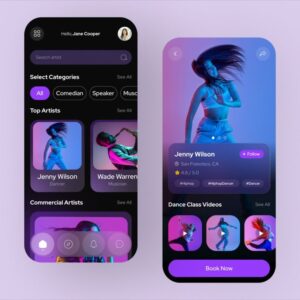
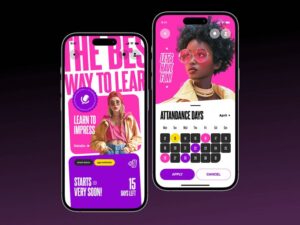
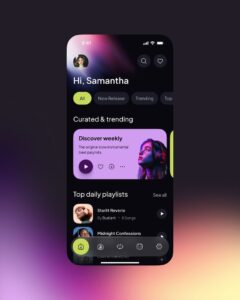
Core Tools and Concepts Digital designers favor collaborative, prototyping tools like Figma and Sketch to build user interfaces. Their key concerns revolve around User Experience (UX), Usability, Accessibility, and screen resolution (RGB color model).
The Designer’s Mindset: Focus Areas
Graphic Design Focus:
The Message The graphic designer’s primary focus is the visual message and brand consistency. They must ensure the core brand identity is strong and communicated effectively across all physical outputs, prioritizing the immediate emotional and visual impact.
Digital Design Focus:
The User Journey The digital designer’s primary focus is the User Experience (UX). They must anticipate how a user will navigate a system, ensuring the journey is intuitive, efficient, and enjoyable. They are often problem-solvers who simplify complex interactions.
The Essential Bridge:
Branding Despite their differences in medium, both fields share the crucial responsibility of branding. A strong, unified brand requires the graphic designer to create the foundational logo and identity, and the digital designer to translate and apply that identity perfectly to all screens and interactive formats.
Which Path is Right for You?
Choosing the Graphic Path If you love the smell of paper, meticulous typography, working with tangible materials, and creating powerful, standalone visual statements, a career in Graphic Design might be your fit. This path often leads to work in agencies, publishing, or branding.
Choosing the Digital Path If you are fascinated by psychology, enjoy solving interactive problems, and want to create experiences that evolve over time, Digital Design (UI/UX) is likely your calling. This path often leads to roles in tech, product design, or web development teams.
Leave a Reply