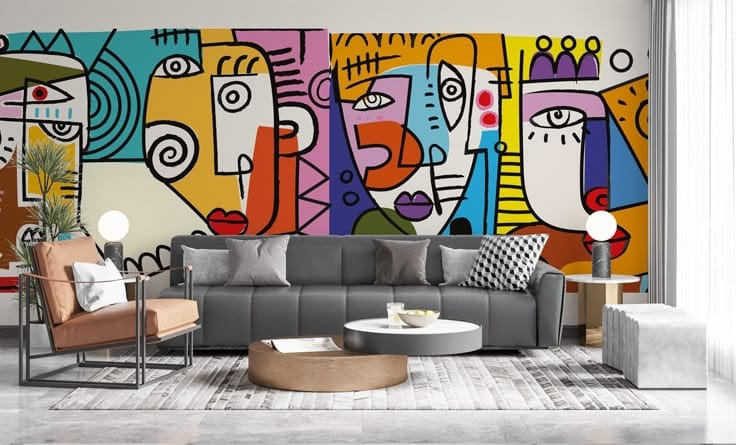
The Canvas Foundation: History and Materials
What Makes Canvas Special?
Artists prefer canvas as a surface for major artworks for centuries. It’s a woven fabric, traditionally made from linen or hemp. Canvas offers a balance of durability, lightness, and flexibility. This winning combination makes it beloved by artists, from Renaissance masters to modern creators.
The Shift from Wood Panels
Before canvas, artists mostly painted on heavy, rigid wood panels. Canvas gained popularity in the Renaissance (around the 15th-16th centuries), particularly in Venice. Canvas offered key advantages: artists could roll it up for transport, and it resisted warping in humid climates. This fundamentally changed the scale of art.
Canvas Types and Preparation (Gesso)
Today, linen or cotton duck primarily makes up canvas. Linen is finer, more durable, and more expensive. Cotton duck is more affordable and common. Most canvases come pre-primed with gesso—a white sealant. This sealant protects the fabric from the paint’s acidity. It also provides a slightly textured surface where paint can adhere.
Exploring Classic Canvas Painting Techniques
Underpainting and Glazing
Underpainting lays down a monochromatic base layer. This layer defines the painting’s values (lights and darks) and its composition. After the underpainting dries, artists use glazing. This technique involves applying thin, transparent layers of paint. Glazing builds rich color, depth, and luminosity, a staple technique of the Old Masters.
Impasto
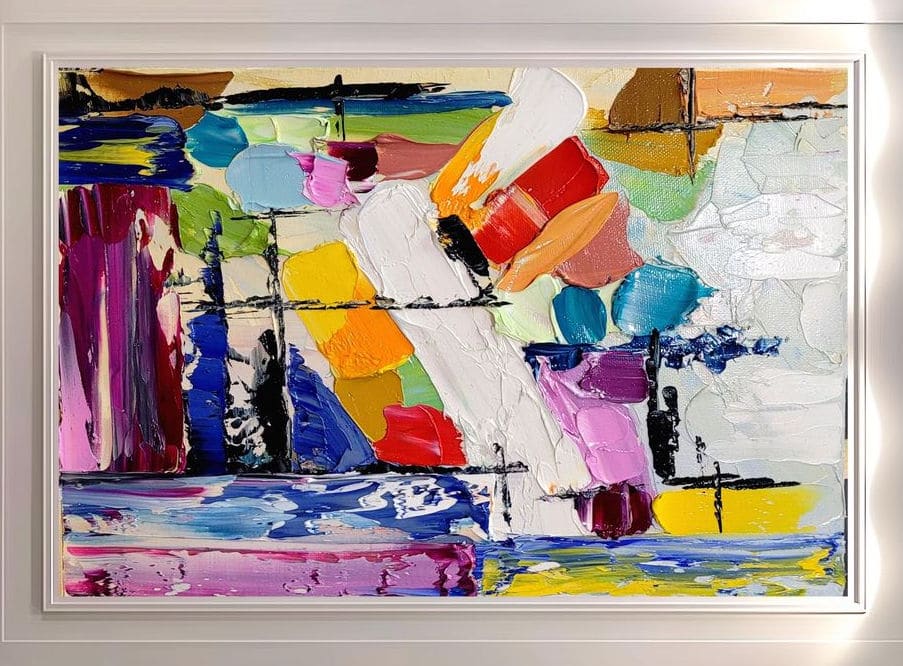
Adding Texture and Dimension Impasto is a dynamic technique where paint is applied in very thick layers, often using a palette knife or a stiff brush. This method leaves visible brushstrokes, creating physical texture and dimension on the canvas. It’s famously associated with expressive styles like those of Vincent van Gogh.
Alla Prima and Wet-on-Wet
The Alla Prima technique (Italian for “at once”) completes a painting in a single session. The paint must remain wet during this process. Also known as “wet-on-wet,” this method demands speed and confident, expressive brushstrokes. It often results in a finish that is fresh, spontaneous, and less-detailed.
Sgraffito and Dry Brushing
Sgraffito (Italian for “scratched”) is a subtractive technique. Artists scratch through a wet layer of paint. This action reveals a dried color or the canvas underneath, which creates fine lines and textures.
Dry brushing uses a brush with very little paint. This technique creates a textured, broken color effect. Dry brushing works perfectly for depicting natural elements like foliage or clouds.
Modern Creative Ideas & Mixed Media
Acrylic Pouring and Resin
Acrylic pouring is a very popular modern trend. It uses highly fluid acrylic paint. The paint mixes and pours onto the canvas, allowing the colors to flow and blend organically for abstract effects.
Artists use clear epoxy resin to create a glossy, glass-like finish. They often mix this resin with pigments for a stunning, modern look, especially popular for “ocean art.”
Textured Canvas Art
Move beyond just paint! Modern artists use modeling paste, plaster, or joint compound to create deep, relief textures before or during painting. You can create geometric designs with tape, scrape the surface with tools, or even embed objects to make a stunning mixed-media piece.
Collage and Decoupage
Canvas supports collage work excellently. Artists combine paint with various elements: paper, fabric scraps, magazine cutouts, or photos. They secure these elements with glue or Mod Podge. This method creates a layered, multi-dimensional surface that blends photography, print, and hand-painted elements.
DIY Canvas Decor Ideas For a fun, easy project, try wallpapering a canvas with a favorite pattern, or use painter’s tape to create sharp geometric lines before painting each section. Even simple techniques like stamping with found objects or using stencils can turn a blank canvas into custom wall decor.
Integrating Canvas Art into Your Space
Choosing Size and Scale The way a canvas is displayed is critical. A single large canvas can serve as a dramatic focal point in a living room. Conversely, a gallery wall of smaller canvases, mixed with framed photos or prints, adds variety and personality. Always ensure the canvas is proportional to the wall space it occupies.
Color and Composition Consider how the artwork’s color palette complements or contrasts with the room’s decor. A canvas with vibrant, contrasting colors can energize a neutral room, while monochromatic art can add a soothing, sophisticated touch. Use the Rule of Thirds to guide the placement of the focal point on your wall.
Canvas art continues to evolve with new handmade techniques and AI-powered creativity. Whether you’re a beginner searching for easy canvas painting ideas or an artist exploring mixed-media textures, canvas art offers endless possibilities for expression.
Leave a Reply