Handmade art celebrates creativity, skill, and human touch. Discover why handmade creations remain timeless and how they shape today’s creative world.

Handmade art has a special kind of magic—something no machine, software, or mass-produced item can replace. Every handmade creation carries a story, a moment, and the touch of the artist behind it. From canvas paintings and pottery to textiles, jewelry, and home décor, handmade work represents passion, patience, and true creative expression.
In today’s fast-moving digital world, handmade art has become even more meaningful. It reminds us to slow down, appreciate craftsmanship, and celebrate the unique imperfections that make each piece special.
Ancient Roots The history of handmade art is the history of human civilization itself. From the earliest pottery and woven textiles to ornate jewelry, craft was essential for survival and a means of expressing culture. Early examples can be found in almost every ancient society, demonstrating art as a fundamental human drive.
The Medieval Guilds and Renaissance During the Middle Ages, craft guilds organized artisans, maintaining high quality and passing down specialized skills like metalworking, glassblowing, and illuminated manuscripts. The Renaissance later elevated many crafts into recognized forms of “fine art,” solidifying the artisan’s important role in society.
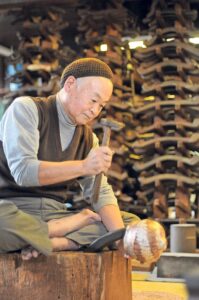

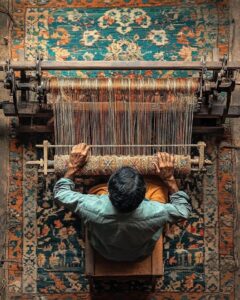
The Arts and Crafts Movement (19th Century) A crucial turning point was the 19th-century Arts and Crafts Movement. Led by figures like William Morris, it was a direct reaction against the cold, poor quality of the Industrial Revolution. This movement championed the value of the individual craftsman and the beauty of handcrafted objects for everyday life.
Exploring Diverse Mediums

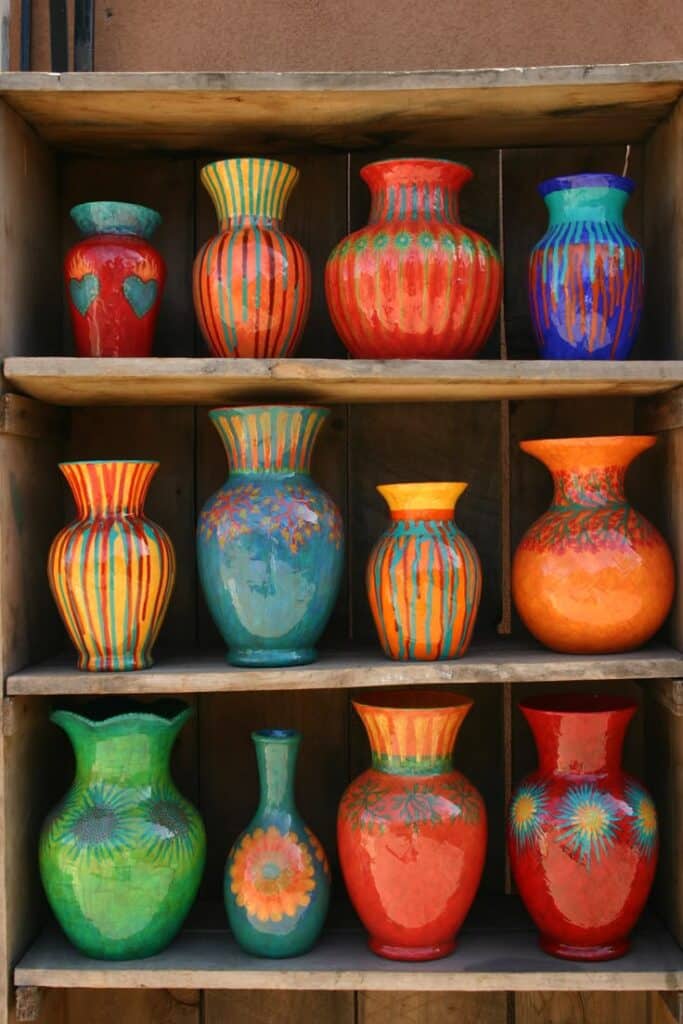
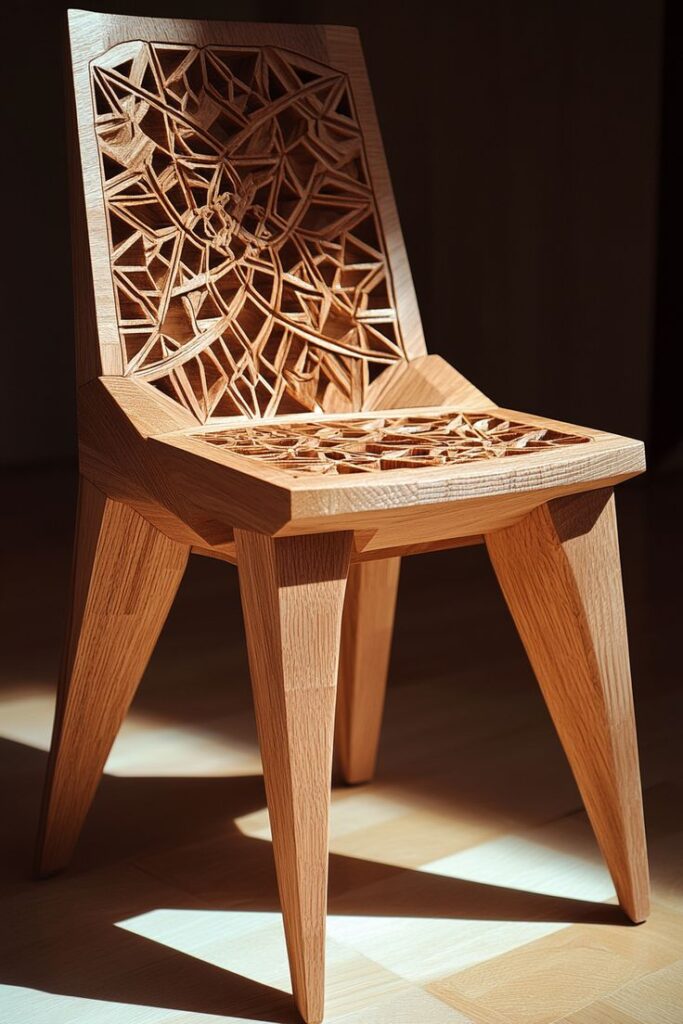
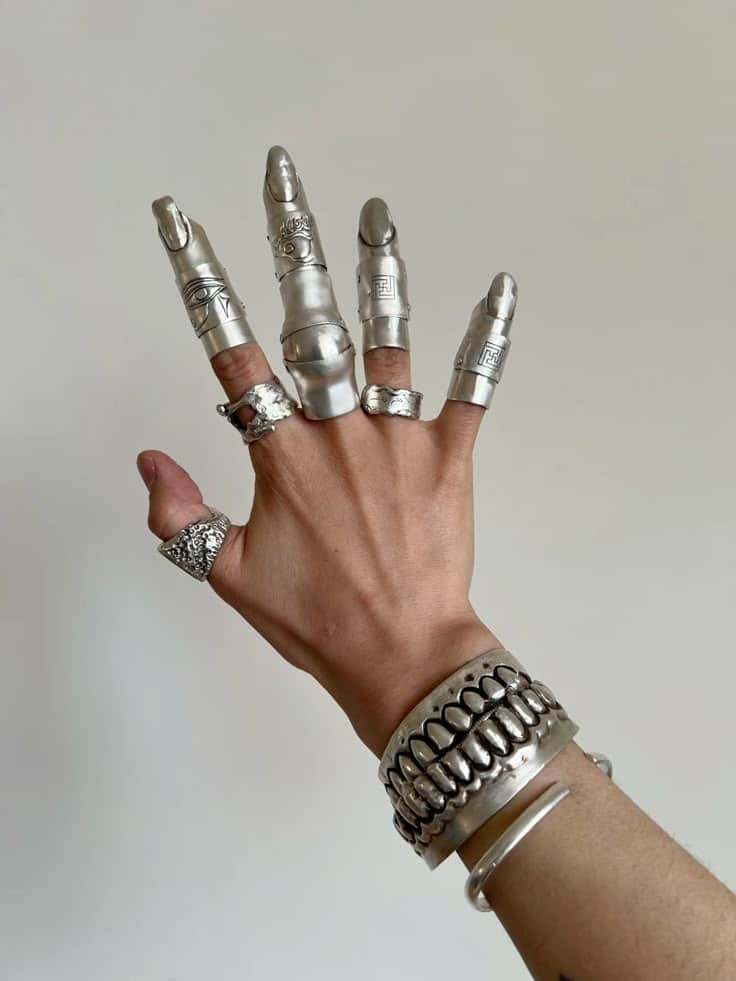
From Idea to Object
The Conceptualization Phase
Every piece of handmade art begins with an idea and a sketch. The artisan doesn’t just copy a design; they visualize how the material will behave, plan the complex steps, and select the perfect colors or textures to bring the concept to life.
he Joy of the Labor
The creation process itself is a meditative, hands-on experience. This section highlights the time and patience involved—the repetitive motion of the needle, the rhythmic turn of the pottery wheel, or the slow, deliberate shaping of metal. This is where the love for the craft truly enters the final product.
Imperfection and Personality
A tiny bubble in the glaze, a slight irregularity in a woven pattern, or a visible hammer mark are not flaws—they are proof of the human touch. These small imperfections tell the story of the making and are celebrated as the personality that distinguishes handmade work.
Supporting the Handmade Economy
Connecting with the Maker
When you buy handmade, you are not supporting a CEO, but an individual artist, entrepreneur, and small business owner. This purchase often provides direct support for their family, their passion, and their ability to continue creating.
Where to Find Handmade Art Look for handmade art at local craft markets, pop-up shops, and art fairs. Online platforms like Etsy and specialized artisan websites are also fantastic resources. Seek out Open Studio Tours to see the artist at work!
Etsy is a global online marketplace specializing in unique items, primarily handmade goods, vintage treasures, and craft supplies. It connects independent artists and entrepreneurs directly with buyers looking for personalized, extraordinary items that support small businesses.
The Sustainability Factor
Many independent artists prioritize sustainable and ethical practices, using reclaimed materials, local resources, and reducing waste. Buying handmade is often an environmentally conscious choice over purchasing mass-produced goods shipped globally.
Leave a Reply