
In this story
Published: November 7, 2026
Technology is changing how people design products, build cities, operate factories, and understand the world around them. One of the most interesting developments is digital twin technology, which connects the physical world with advanced digital models.
Imagine being able to see a virtual version of a real factory, airplane, building, or even an entire city. Now imagine that this virtual version receives information from the real object, reflects its current condition, and helps engineers predict what might happen before making important decisions.
This is the idea behind digital twin technology.
Digital twins are becoming increasingly important in manufacturing, healthcare, construction, transportation, energy, and other industries. By combining real-world data with simulation, artificial intelligence, and connected devices, organizations can better understand how physical systems work and how they might behave in the future.
But what is a digital twin exactly? How does it work? Is it the same as a 3D model or simulation? And how could this technology change everyday life?
In this complete guide, we will explore the meaning of digital twins, their main components, practical applications, benefits, challenges, and future possibilities.
1. What Is a Digital Twin?
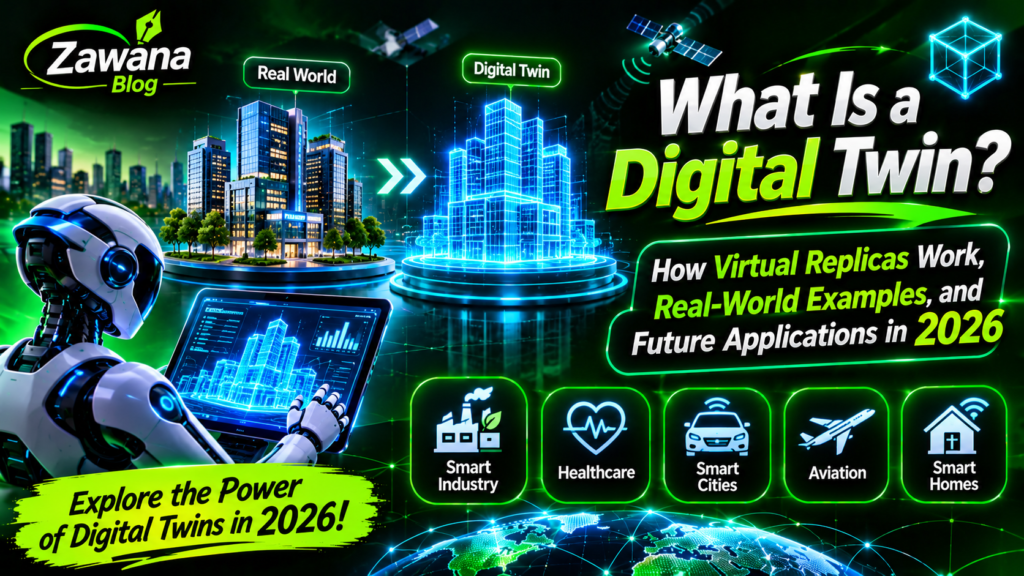
A digital twin is a virtual representation of a real-world object, system, environment, or process that uses data to reflect and analyze its physical counterpart.
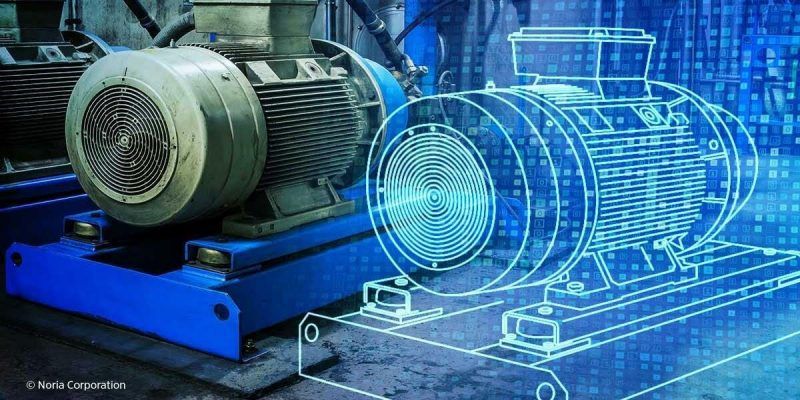
Unlike a traditional digital image or 3D model, a digital twin can receive information from the real object through sensors, connected devices, databases, and other data sources.
This connection allows the virtual model to represent changing conditions and support monitoring, testing, and predictions.
For example, imagine a company that operates a large industrial machine.
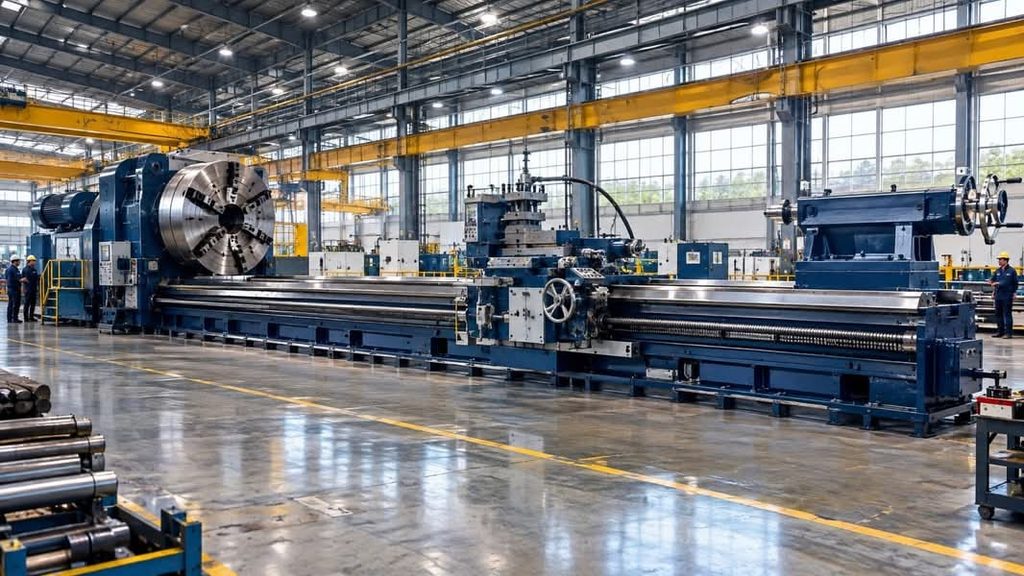
The company could create a digital twin of that machine and connect it to sensors that collect information about:
- Temperature.
- Pressure.
- Speed.
- Energy consumption.
- Vibration.
- Operating conditions.
- Equipment performance.
As the real machine operates, its digital twin receives relevant information. Engineers can then monitor its condition, investigate unusual behavior, and test possible changes in a virtual environment.
In simple words, a digital twin helps people understand what is happening in the physical world by creating a connected digital representation.
According to the Digital Twin Consortium, digital twins are data-driven virtual representations of real-world entities and processes, synchronized at a specified frequency and level of detail.
2. How Does Digital Twin Technology Work?
Digital twin technology combines several technologies to create and maintain a connection between a real-world system and its digital representation.
Although implementations differ depending on the industry, most digital twin systems follow a similar process.
Step 1: Create the Physical Object or System
The process begins with a real-world object, such as a vehicle, industrial machine, building, or power plant.
Engineers first identify the important characteristics and behaviors that the digital twin needs to represent.
For example, a digital twin of an airplane engine may focus on temperature, fuel consumption, vibration, and mechanical performance.
Step 2: Collect Real-World Data
Next, sensors and connected devices collect information from the physical object.
These devices may measure movement, pressure, temperature, location, energy consumption, and other relevant conditions.
This is where the Internet of Things (IoT) becomes important.
IoT technology allows physical devices to communicate and exchange information with digital systems.
Learn more about connected technologies through
Step 3: Build the Virtual Representation
The collected information is used to create a digital representation of the physical object.
Depending on the project, this representation may include:
- 3D models.
- Engineering diagrams.
- Mathematical models.
- Physical simulations.
- Historical performance data.
- Machine learning models.
The objective is to represent the important characteristics of the real-world system as accurately as necessary for its intended purpose.
Step 4: Connect the Physical and Digital Worlds
Once the virtual representation is ready, the system connects it to relevant data sources.
When the physical object changes, new information can update the digital twin.
For example, if a machine begins operating at a higher temperature, the digital model can reflect that change when the data becomes available.
Some advanced systems also support feedback from the digital environment to the physical system. This can help operators adjust settings or optimize operations, subject to appropriate controls.
Step 5: Analyze, Simulate, and Predict
Finally, engineers and operators can use the digital twin to examine performance and explore different scenarios.
For example, they might ask:
- What happens if the machine operates at a higher speed?
- How will extreme temperatures affect performance?
- When might a component need maintenance?
- How can energy consumption be reduced?
- What changes could improve production?
By exploring these questions digitally, organizations can make more informed decisions before implementing changes in the real world.
3. What Are the Main Types of Digital Twins?
Digital twins can represent different levels of complexity. Some focus on individual components, while others represent entire facilities or interconnected processes.
Here are four common types.
1. Component Digital Twins
A component twin represents an individual part of a larger object or machine.
For example, an engineer could create a digital twin of a motor, battery, valve, or turbine blade.
This makes it possible to monitor the condition and performance of a specific component.
2. Asset Digital Twins
An asset twin represents a complete functional object made up of multiple components.
For example, a digital twin of an industrial robot could represent its motors, sensors, mechanical arms, and control systems.
It helps engineers understand how different parts work together.
3. System Digital Twins
A system twin represents multiple connected assets that operate together.
For example, a manufacturing facility could use a digital twin to represent several machines, production lines, and connected systems.
This provides a wider view of performance and helps identify problems that might affect the entire operation.
4. Process Digital Twins
A process twin represents a complete workflow or operational process.
For example, a company could model its manufacturing process, from receiving raw materials to producing and distributing finished products.
This helps organizations identify delays, improve resource allocation, and examine alternative ways of working.
4. What Is the Difference Between a Digital Twin, a Simulation, and a 3D Model?
These three technologies are related, but they serve different purposes.
A common misunderstanding is that every 3D model or simulation is automatically a digital twin. However, a digital twin involves a meaningful connection to a real-world counterpart.
Let’s examine their differences.
| Technology | Main Purpose | Connection to the Physical World |
|---|---|---|
| 3D Model | Represents the appearance and structure of an object | Not necessarily connected |
| Simulation | Tests possible scenarios and behaviors | Can operate independently |
| Digital Twin | Represents and analyzes a real-world object or system | Connected through relevant data |
3D Model
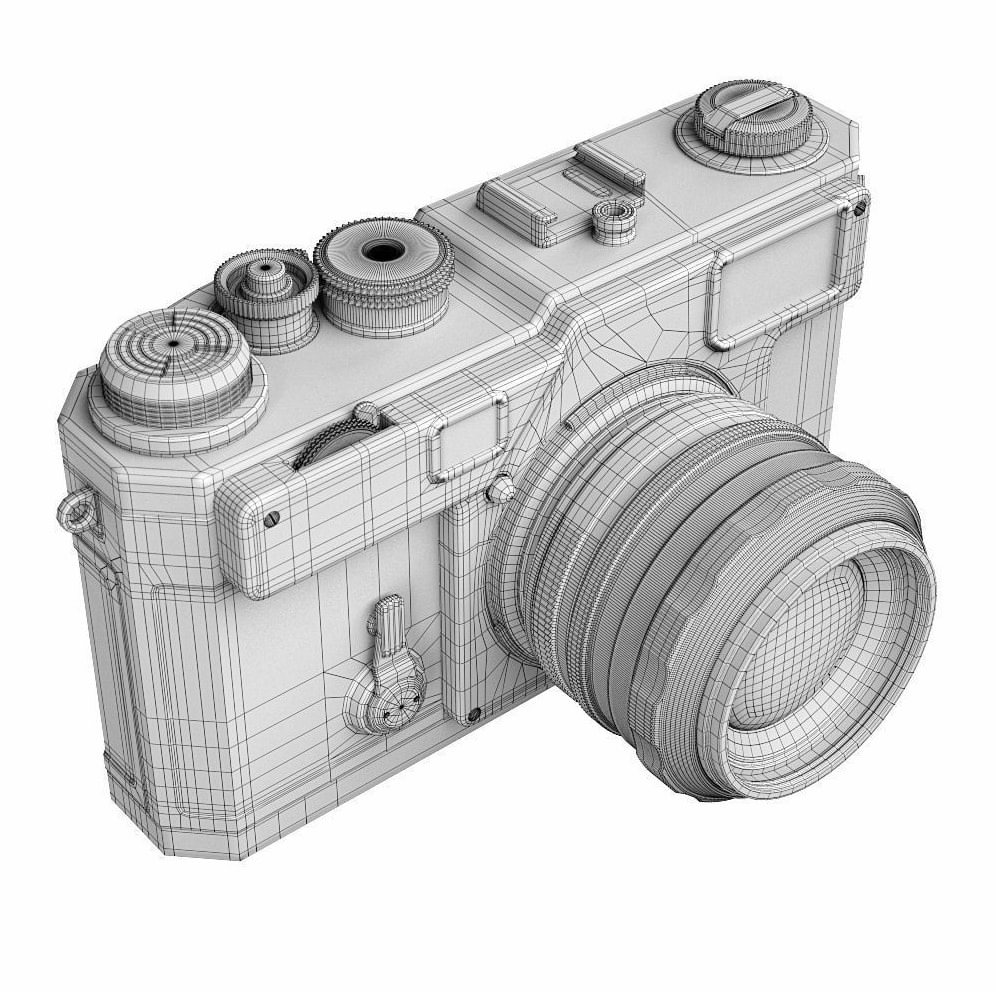
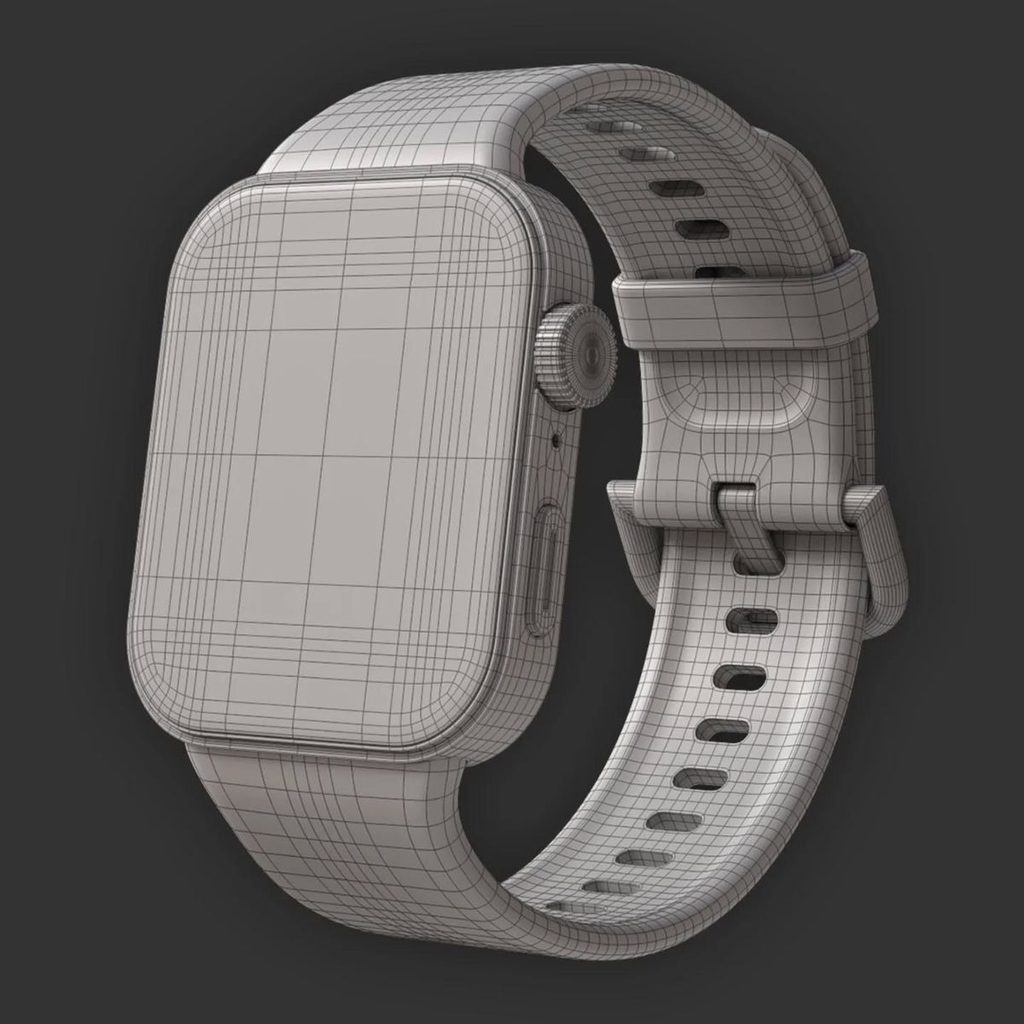
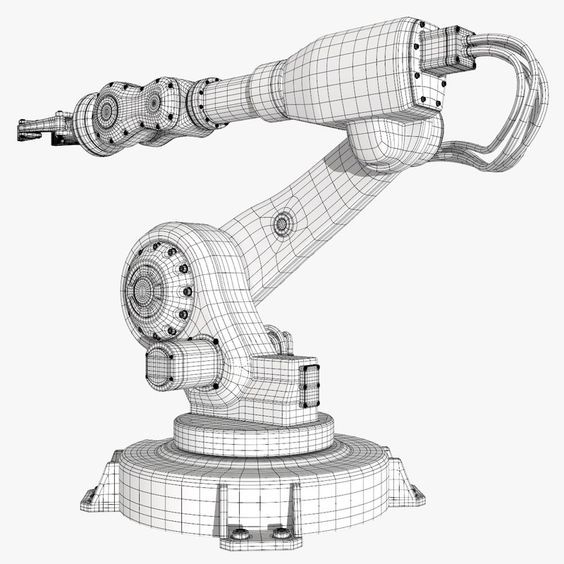
A 3D model is a digital representation of an object’s shape, dimensions, and appearance.
For example, an architect can create a 3D model of a house before construction begins.
However, the model does not automatically receive information about the actual building.
If you are interested in how digital visuals are created, our
explores accessible design tools and visual content creation.
Simulation
A simulation uses mathematical or computational models to reproduce how something might behave under certain conditions.
For example, engineers can simulate how a car might respond during a collision.
A simulation does not necessarily need a continuously connected physical object.
Digital Twin
A digital twin combines a virtual representation with information from its real-world counterpart.
For example, a factory could use a digital twin to monitor production equipment, analyze performance, and explore possible improvements.
The main difference is the connection to real-world data. A digital twin can stay synchronized with a physical system, while a standalone 3D model or simulation does not necessarily have that connection.
5. Real-World Applications of Digital Twin Technology
Digital twins are not limited to laboratories or experimental technology projects. They have practical applications across many industries.
Here are some important examples.
1. Manufacturing and Smart Factories
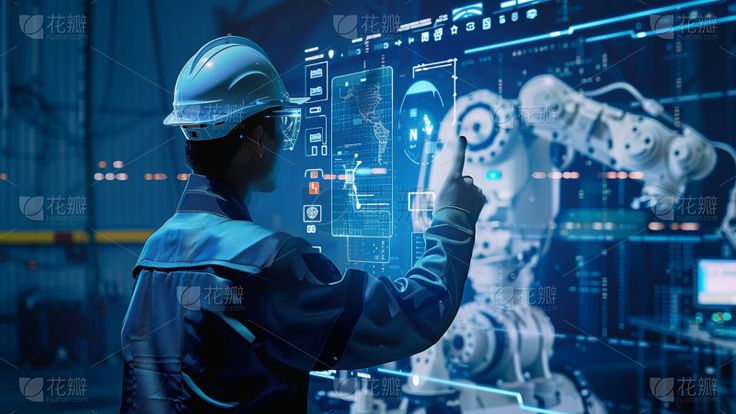
Manufacturing is one of the most important areas for digital twin technology.
Factories can create digital representations of machines, production lines, and entire manufacturing environments.
These systems can help manufacturers:
- Monitor equipment performance.
- Identify unusual operating conditions.
- Predict possible equipment failures.
- Improve production efficiency.
- Test manufacturing changes.
- Reduce unnecessary downtime.
For example, an automobile manufacturer could simulate changes to a production line before physically rearranging equipment.
This helps engineers evaluate different configurations while reducing the risks associated with making changes directly on the factory floor.
Learn more through the National Institute of Standards and Technology (NIST).
2. Healthcare and Medical Research
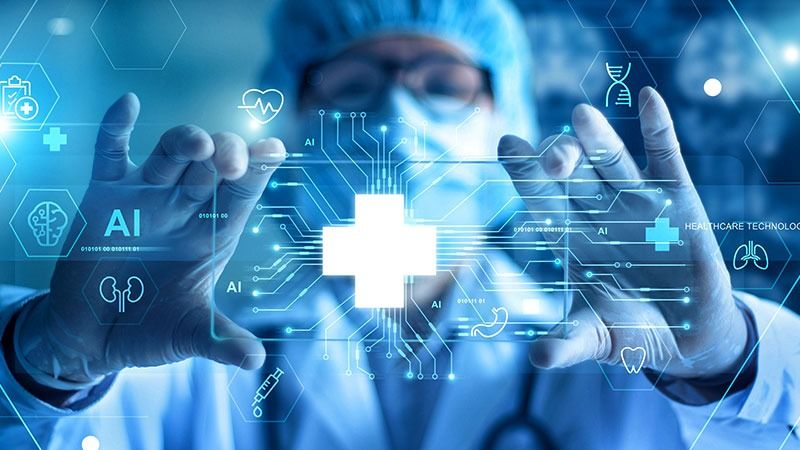
Digital twin technology also has interesting possibilities in healthcare.
Researchers can use digital models to study biological systems, understand how medical devices operate, and explore different treatment scenarios.
For example, a digital representation of a heart could help researchers investigate its structure and behavior under different simulated conditions.
Other potential applications include:
- Medical device development.
- Surgical planning research.
- Hospital operations.
- Medical equipment monitoring.
- Personalized research models.
However, a digital model of a human organ is not automatically a complete or clinically reliable representation of an individual patient.
Healthcare applications require strong validation, privacy protection, and professional medical supervision.
3. Smart Cities and Urban Planning
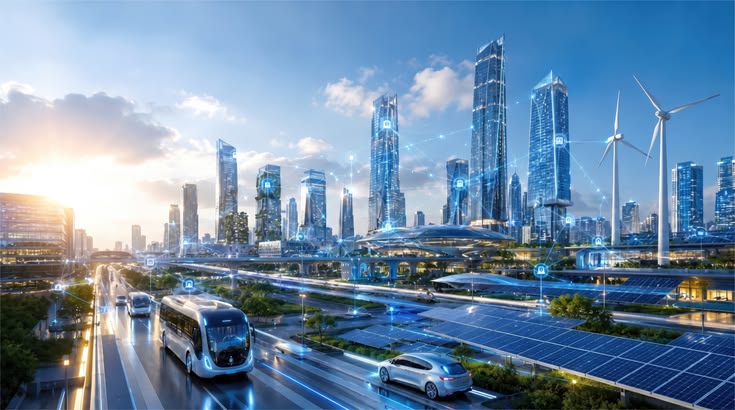
Imagine a city where planners can explore traffic patterns, building development, energy consumption, and public infrastructure through a digital environment.
This is one of the most interesting applications of digital twin technology.
A city digital twin can combine information from connected infrastructure, transportation systems, geographic data, and environmental monitoring.
Urban planners may use this information to:
- Study traffic congestion.
- Examine public transportation systems.
- Improve infrastructure planning.
- Explore energy consumption.
- Analyze environmental conditions.
- Test possible urban development projects.
For example, planners could simulate how a new road might affect traffic before beginning construction.
4. Construction and Architecture

Digital twins can help architects, engineers, and construction companies understand buildings throughout their lifecycle.
A connected building model can represent important systems such as heating, ventilation, air conditioning, electricity, lighting, and security.
This can help building operators monitor performance and identify opportunities to improve energy efficiency.
For example, a building manager might examine how heating and cooling systems respond to changing occupancy levels.
Digital twins can also support construction planning by helping teams identify design problems before they become expensive physical issues.
5. Automotive and Transportation
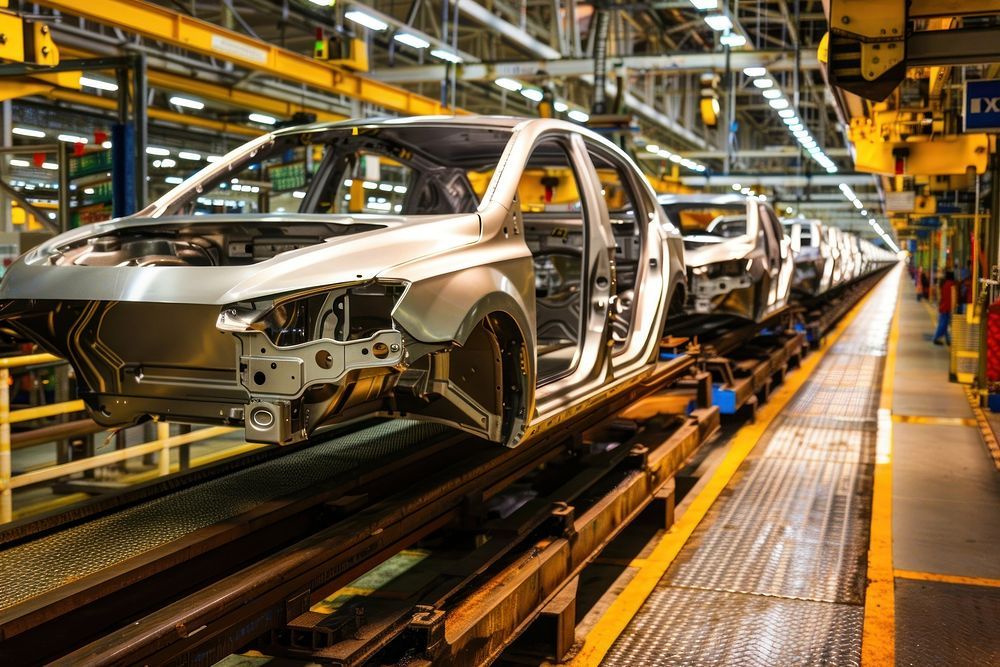
Automotive manufacturers can use digital twins to study vehicles, engines, batteries, and manufacturing processes.
For example, engineers can model how an electric vehicle battery responds to different temperatures and charging conditions.
This can help them investigate battery performance, thermal behavior, and possible improvements.
Transportation companies can also use digital representations of vehicles and infrastructure to support monitoring and maintenance planning.
6. Energy and Renewable Power
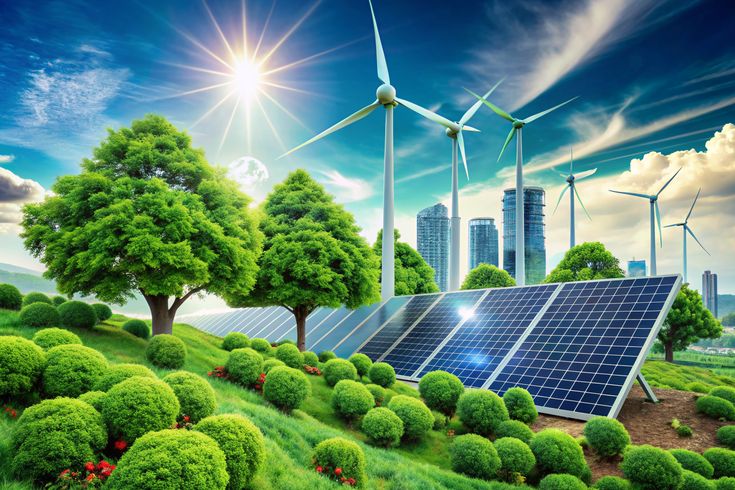
Digital twin technology can support energy companies that operate wind turbines, solar installations, electricity networks, and power plants.
For example, a wind farm could use digital twins to monitor individual turbines and examine how weather conditions affect their performance.
Potential applications include:
- Monitoring energy production.
- Identifying equipment problems.
- Improving maintenance schedules.
- Studying energy demand.
- Exploring renewable energy configurations.
These capabilities can help organizations make better decisions about energy infrastructure.
7. Aerospace and Space Exploration
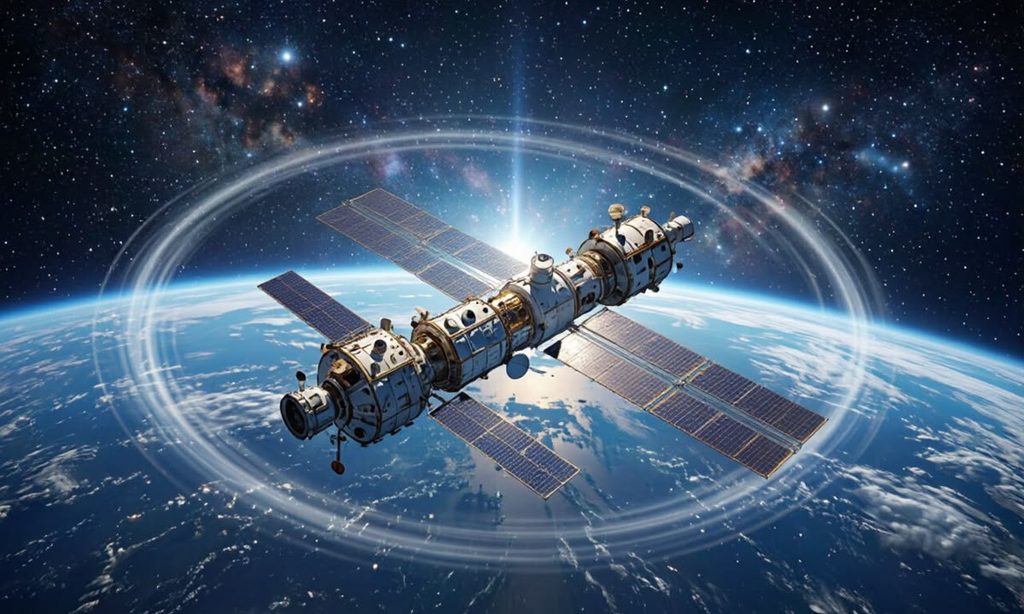
The aerospace industry has a long history of using physical and digital models to study complex systems.
Digital twin concepts can help engineers understand spacecraft, aircraft engines, and other sophisticated equipment.
For example, engineers can use models and operational data to investigate possible equipment problems and evaluate different operating conditions.
NASA’s Apollo 13 mission is often discussed as an important historical example of using ground-based replicas and engineering simulations to investigate emergency scenarios. These early practices helped inspire later digital twin concepts.
Read more about digital twin research through the U.S. National Science Foundation.
6. What Technologies Make Digital Twins Possible?
Digital twins do not depend on one single technology. Instead, they combine several tools and systems that work together.
Internet of Things (IoT)
IoT devices and sensors collect information from physical objects.
For example, a connected industrial machine can send temperature and vibration measurements to a digital platform.
Artificial Intelligence (AI)
Artificial intelligence can analyze large amounts of information and identify patterns that might be difficult for people to recognize manually.
Machine learning models can help digital twin systems detect unusual behavior, estimate future conditions, and support predictive maintenance.
To understand this technology further, read our related guide to Artificial Intelligence and AI-powered creativity on Zawana Blog.
Cloud Computing
Cloud platforms provide computing power and storage for digital twin applications.
They can help organizations process information from multiple connected devices and make digital models accessible to different teams.
3D Modeling and Visualization
3D technologies help engineers and operators understand complex objects and environments.
Visual representations can make it easier to examine buildings, machines, vehicles, and entire production facilities.
Big Data and Data Analytics
Digital twins can use historical and real-time information to analyze performance.
Data analytics helps organizations understand trends, compare operating conditions, and make informed decisions.
Edge Computing
Edge computing allows some data processing to happen closer to the physical devices that generate the information.
This can be useful when a digital twin application requires quick responses or needs to reduce the amount of data transferred to remote servers.
Together, these technologies create the foundation for connected digital representations of real-world systems.
7. What Are the Benefits of Digital Twin Technology?
Digital twins offer several advantages, particularly when organizations need to monitor complex equipment or make decisions involving expensive physical systems.
Better Decision-Making
Digital twins help teams understand current conditions and explore possible outcomes before making changes.
Predictive Maintenance
By analyzing equipment data, digital twins can help identify warning signs that may indicate a future maintenance requirement.
This can reduce unexpected equipment failures when the models and data are sufficiently accurate.
Reduced Development Costs
Engineers can test different designs and operating conditions digitally before committing to expensive physical prototypes or changes.
Improved Efficiency
Manufacturers and infrastructure operators can identify inefficient processes and investigate ways to improve performance.
Safer Testing
Some scenarios are dangerous, expensive, or difficult to reproduce in the real world.
A digital twin provides a controlled environment for exploring these situations without immediately exposing physical equipment or people to the same risks.
Better Product Design
Designers can use digital models and real-world performance data to understand how products behave throughout their lifecycles.
8. What Are the Challenges and Disadvantages of Digital Twins?
Although digital twins offer exciting opportunities, creating and maintaining them is not always easy.
Organizations must consider several important challenges.
High Implementation Costs
Building a digital twin can require sensors, software, computing infrastructure, skilled professionals, and system integrations.
Smaller businesses may find these initial investments difficult to manage.
Data Quality Problems
A digital twin is only as reliable as the information and models supporting it.
Incorrect, incomplete, or outdated data can lead to inaccurate results.
Cybersecurity Risks
Connected systems can introduce additional security concerns.
If a digital twin platform accesses sensitive industrial or business information, organizations must protect it against unauthorized access and cyberattacks.
Complex Integration
Many organizations use different software platforms, devices, and data formats.
Connecting these systems can be technically challenging, especially when information needs to move between different departments or suppliers.
Maintenance and Updates
Digital twins need ongoing attention.
When physical equipment changes, the corresponding digital representation may also need updates to remain accurate.
Skills and Expertise
Creating reliable digital twins requires knowledge of engineering, data analysis, software development, and the relevant industry.
Organizations may need to train employees or work with specialized technology providers.
The important lesson: A digital twin is not automatically useful simply because it looks realistic. Its value depends on accurate data, appropriate models, reliable connections, and a clearly defined purpose.
9. How Is Artificial Intelligence Changing Digital Twins?
Artificial intelligence is making digital twin technology more powerful by helping systems analyze information and identify patterns.
A traditional digital model may describe how a machine is designed or expected to operate.
When combined with AI and real-world data, a digital twin can support more advanced analysis.
For example, an AI-powered digital twin could help a manufacturer:
- Collect operating information from industrial machines.
- Analyze temperature, pressure, and vibration.
- Identify unusual performance patterns.
- Estimate the possibility of equipment problems.
- Recommend possible maintenance actions.
- Help engineers evaluate different solutions.
AI can also support simulations by helping teams explore more scenarios and analyze complex relationships.
However, AI predictions are not guaranteed to be correct. They depend on the quality of training data, the accuracy of underlying models, and the conditions being analyzed.
This combination of AI, connected devices, and digital modeling is an important part of the development of smart industries.
For another look at how AI is changing digital creativity, explore our Top 10 AI Avatar Prompts for Pixar and 3D Style.
10. What Is the Future of Digital Twin Technology?
Digital twins are expected to remain an important area of technological development as connected devices, computing infrastructure, and artificial intelligence continue to improve.
Several developments could influence their future.
More Intelligent Digital Twins
AI integration could help digital twins analyze more complex situations, identify potential problems, and support faster decision-making.
Digital Twins of Entire Cities
As cities collect more information about transportation, energy, buildings, and infrastructure, digital twins could become more useful for urban planning.
Personalized Healthcare Research
Researchers may develop more detailed digital representations of biological systems to investigate medical questions and support personalized research.
These applications will require careful validation and responsible use of personal information.
More Connected Manufacturing Systems
Factories may increasingly connect individual machine twins into larger digital environments that represent complete production operations.
Digital Twins and Robotics
Robotics is another interesting area.
Engineers can use digital environments to model robot movements, test operating conditions, and investigate how robots interact with their surroundings before deploying them in physical environments.
Digital Twins and the Industrial Metaverse
The combination of digital twins, virtual reality, augmented reality, and connected industrial systems could create more interactive environments for engineering, training, and collaboration.
Workers may be able to explore virtual representations of physical equipment and infrastructure while accessing relevant operational information.
Although these developments offer significant possibilities, their adoption will depend on affordability, data quality, cybersecurity, and practical business value.
11. Can Small Businesses and Individuals Use Digital Twins?
Digital twins are often associated with large manufacturers, aerospace companies, and major infrastructure projects.
However, the underlying ideas can also be useful for smaller organizations.
A small manufacturing business, for example, might begin with a digital representation of one important machine rather than building a complete digital model of its entire factory.
A building manager could also explore connected monitoring systems to understand electricity consumption and equipment performance.
Individuals may encounter digital twin technology through smart buildings, connected vehicles, engineering applications, and digital product development tools.
The best approach is to begin with a clear problem.
Instead of creating a complicated digital environment without a purpose, identify one physical object or process that would benefit from better monitoring, analysis, or simulation.
Then determine which data, software, and expertise are necessary to build a useful model.
12. Frequently Asked Questions About Digital Twins
What is a digital twin in simple words?
A digital twin is a virtual representation of a real-world object, system, or process that uses relevant data to reflect and analyze its physical counterpart.
Is a digital twin the same as a 3D model?
No. A 3D model represents an object’s shape and appearance. A digital twin has a connection to a real-world counterpart through data, allowing it to reflect changing conditions and support analysis.
Does a digital twin use artificial intelligence?
Not always. Digital twins can operate using sensors, data integration, mathematical models, and simulation software. However, AI and machine learning can improve their ability to analyze information and predict possible outcomes.
What is an example of a digital twin?
A connected digital representation of a factory machine is a common example. It can receive information about temperature, vibration, speed, and performance from the real machine.
What industries use digital twins?
Digital twins are used or explored in manufacturing, healthcare research, construction, architecture, transportation, aerospace, energy, and urban planning.
Are digital twins connected to the Internet of Things?
Many digital twins use IoT devices and sensors to collect information from physical objects. However, not every digital twin depends on the same type of connection or data source.
Can a digital twin predict the future?
A digital twin can use simulations, historical data, and predictive models to estimate possible future conditions. These predictions are not guarantees and depend on the accuracy of the models and available information.
What is the difference between a digital twin and a virtual world?
A virtual world is a computer-generated environment that may contain fictional or simulated objects. A digital twin is connected to a specific real-world object, process, or system and uses relevant information to represent it.
Conclusion: Why Are Digital Twins Important for the Future?
Digital twin technology is changing how organizations understand and manage physical systems.
By connecting real-world objects with digital representations, businesses and researchers can monitor performance, explore different scenarios, improve designs, and make more informed decisions.
From smart factories and connected buildings to transportation systems and medical research, digital twins offer opportunities to solve problems that were once difficult or expensive to investigate.
Artificial intelligence, IoT, cloud computing, and advanced simulation are making these systems increasingly capable. However, reliable data, cybersecurity, and proper validation remain essential.
The most important idea is simple: digital twins help people understand the real world by creating a connected digital version of it.
As technology continues to develop, the relationship between physical objects and their digital counterparts could become an important part of how we design, build, monitor, and improve the world around us.
Continue exploring technology and creativity: Visit Zawana Blog to discover more guides about digital design, artificial intelligence, creative tools, and emerging technologies. You can also explore our
for more practical articles and tutorials.